
人龙传说
1,500-year-old glazed pottery reveals Eurasian cultural exchanges in ancient northern China_我的网站

一 |
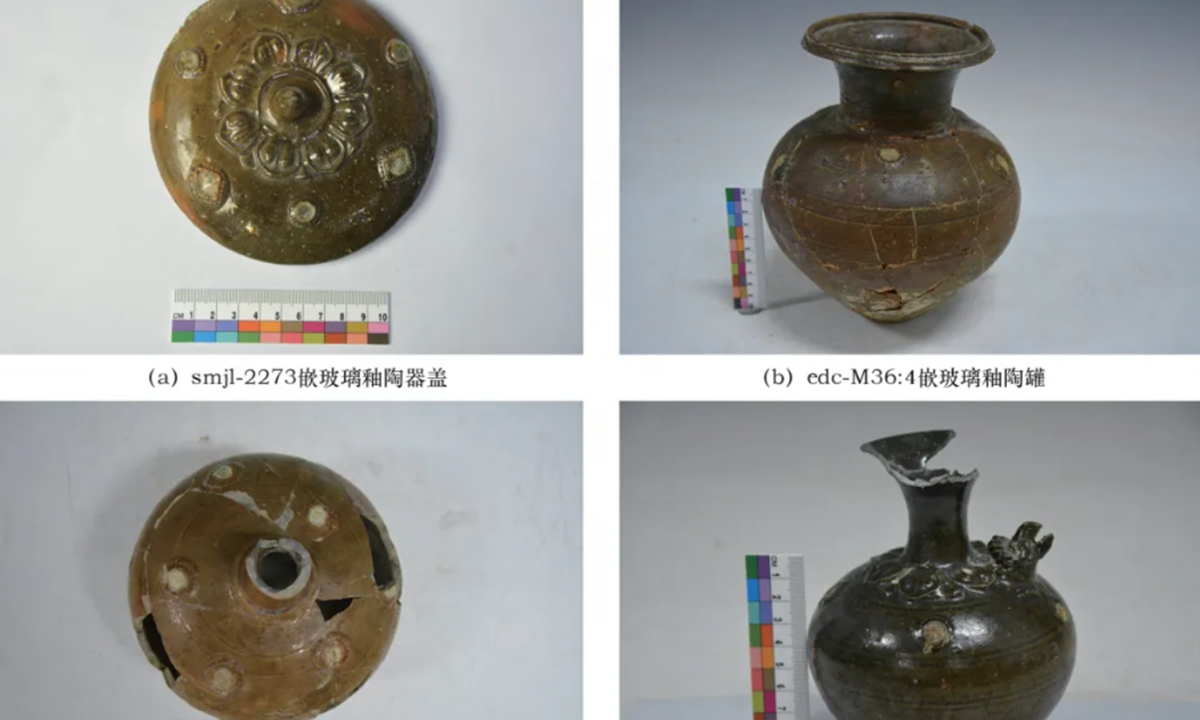
Systematic analysis conducted by the institute of pottery wares dating back to the Pingcheng period of the Northern Wei Dynasty (386-534) has identified distinct foreign cultural and technological elements embedded in the craftsmanship and material composition of the unique artifacts, shedding fresh light on ancient Eurasian cultural integration.
Established by the Tuoba Xianbei ethnic group, the Northern Wei Dynasty designated Pingcheng, present-day Datong city in Shanxi Province, as its capital from 398 to 494. For nearly a century, the city served as a pivotal multicultural hub where Xianbei nomadic culture, Central Plains Han culture and diverse Western Regions civilizations converged and interacted, according to a report on Chinanews.com.cn.
Archaeological excavations at multiple tomb clusters in Pingcheng, including the Dongxin Northern Wei cemetery and the Qilicun cemetery, have yielded a total of eight pieces of glass-inlaid glazed pottery. Though far fewer in number compared with common glazed pottery figurines and painted glazed wares, these artifacts feature an extremely rare inlay technique unseen elsewhere in the developmental history of Chinese ceramics, according to the press release.
Given the exceptional rarity and good preservation of the relics, researchers selected four representative pieces for comprehensive laboratory testing and material analysis. The results show that the glass inlays are primarily soda-alumina glass, most likely produced by remelting trade beads from the Indian Ocean and Pacific regions, a key commodity in ancient maritime and overland trade networks.
The findings confirm that Pingcheng maintained frequent cross-border trade and cultural communication during the Northern Wei era, with access to glass raw materials sourced from diverse overseas regions. The varied compositional characteristics of the inlaid glass provide crucial clues for studying ancient glass-making technologies, raw material circulation and long-distance trade routes in ancient East Asia, the press release noted.
Beyond material composition, the artifacts also embody prominent cross-cultural innovation in design. Their decorative motifs draw heavily on gem-encrusted gold and silver wares of the Sasanian Persian Empire, while integrating artistic elements from other Eurasian regions. The blended design styles reflect the era's prevailing trend of multicultural fusion and creative assimilation of foreign civilizations.
Archaeologists noted that the glass-inlaid glazed pottery represents an innovative technological achievement crafted by Northern Wei artisans who absorbed and refined foreign techniques and aesthetics. The distinctive craftsmanship and stylistic features of these wares exerted a far-reaching influence on ceramic production in surrounding regions and subsequent dynasties, marking a vital chapter in the evolution of ancient Chinese ceramic art.
The research underscores that ancient China's northern borderland was not an isolated cultural enclave, but an active node in Eurasian cultural and trade exchanges, where foreign elements were localized and innovated to form unique regional civilizational achievements, archaeologists from the Shanxi Provincial Institute of Archaeology said.
。
[ 资讯] 近日,Faraday Future Intelligent Electric Inc.(纳斯达克股票代码:FFAI,以下简称“Faraday Future”或“FF”)官方表示,FX Super One(参数|询价)车型将于6月29日举行首次线下私享发布会,7月17日举行首次全球线上发布会。
。
二 | 旗下第二款车型FX4首张预览图公布,计划于2025年第三季度公布FX 4产品规划,并于年内开启预订。

三 | 此外,FF还与两家头部MCN机构签署600台B2B预订单协议,FX Super One的To B付费预订单总数已突破2500台。
FX Super One谍照
FX Super One首场线下产品发布活动定于6月29日举行,专属面向五大核心群体:FF股东与投资人、B2B销售合作伙伴和潜在合作伙伴、全球供应链伙伴、媒体与KOL、共创官、名人与超级巨星。随后,将于7月17日举办FX Super One 首次全球线上发布会,面向C端用户开启付费预订。FX Super One现已正式进入零部件采购与量产筹备阶段,公司内部已开启首车下线倒计时冲刺。第二款车型与后续产品的开发工作也正按计划稳步推进。FX 4预告图
根据预告图来看,FX 4采用贯穿式的LED灯组,并带有可发光LOGO,新车定位中型SUV。
四 | 公司计划于2025年第三季度公布FX 4产品战略,并在年内启动预订单收取。目标成为“AIEV时代RAV4的颠覆者”,FX 4是当前FX产品线中最有潜力成为爆款、打入最主流市场的战略车型。
在售后服务方面,公司正在推进FX Service Par项目,积极与主要售后服务商、经销商及维修合作伙伴建立合作关系。
五 | 此外,作为全球战略的一部分,FF位于阿联酋拉斯海马经济区的中东生产基地现已具备入驻条件,当地团队即将接手运营。下半年,在资金允许的前提下,力争FX Super One在中东尽早下线。(文/ 毕业)
Current article:http://q7y.zhuaicaisaanzhenshunnaiwei.bond/qn6ds/7vcb.html
Published on:05:53:34


